
SHEET JOYAGOOINDEPENDENT DISCOVERY GUIDE01 / 2026

INDEPENDENT DISCOVERY GUIDE
Joyagoo Spreadsheet: find with more confidence
A clearer research path for shoppers who want to compare product directions, read the key checks, and continue on FindSpreadsheet when ready.
A better route than a long list
The official flow describes warehouse QC photos after an item arrives; review them promptly because the stated return/exchange window is five days after QC completion.
SEO articleItems can remain in warehouse storage for 90 days before parcel submission.
How to buyInternational shipping is initially estimated; final charges are determined after packing from actual parcel size and weight.
FAQCATEGORIES
Browse the ten collections
Open FindSpreadsheetEnglish is prioritised for the United States, United Kingdom and Canada. Localised pages support shoppers in Germany, France, Spain, Italy, Portugal, the Netherlands and Poland.
PRODUCT DETAILS
Product details
Open a complete product profile, then continue to the live product record.

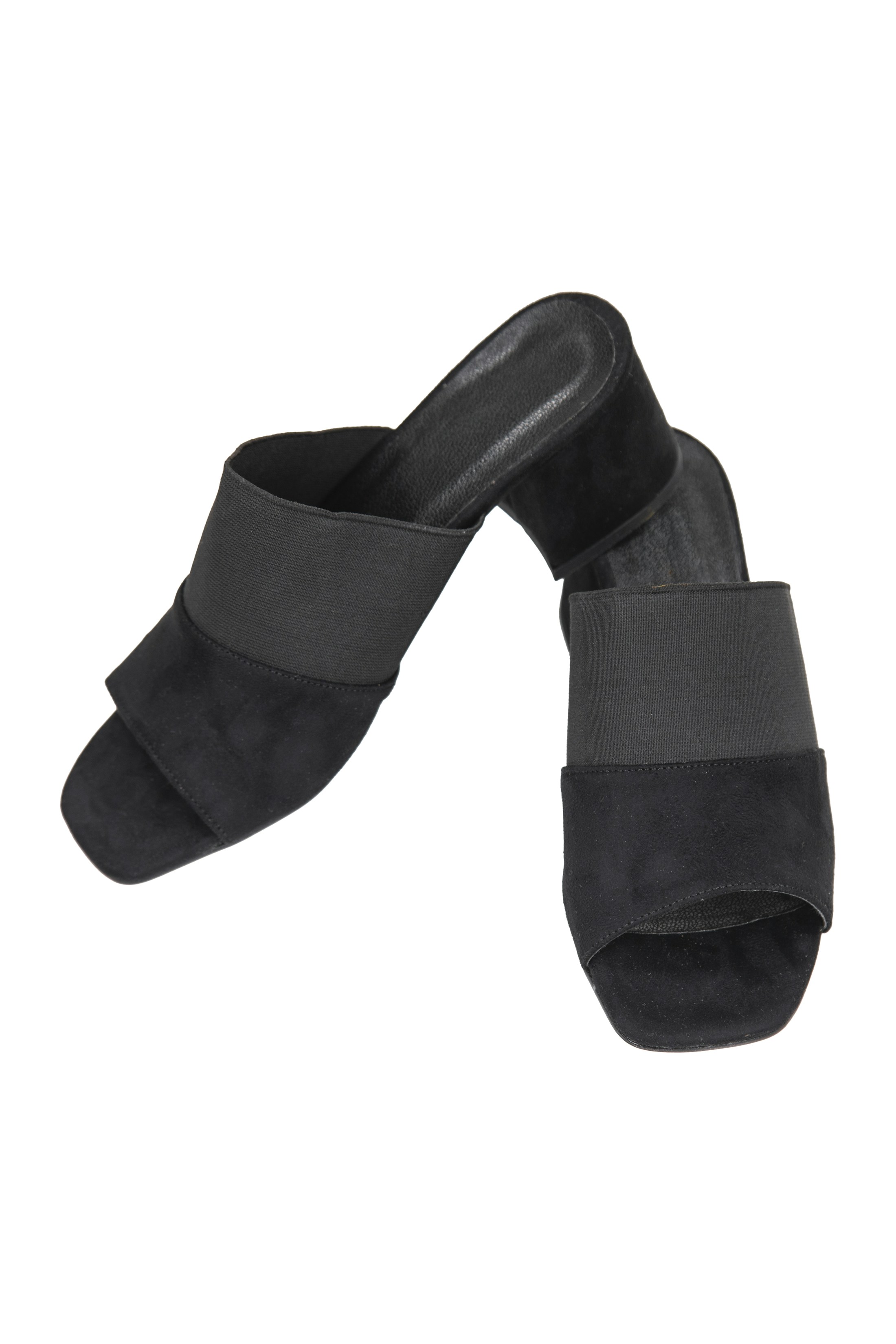
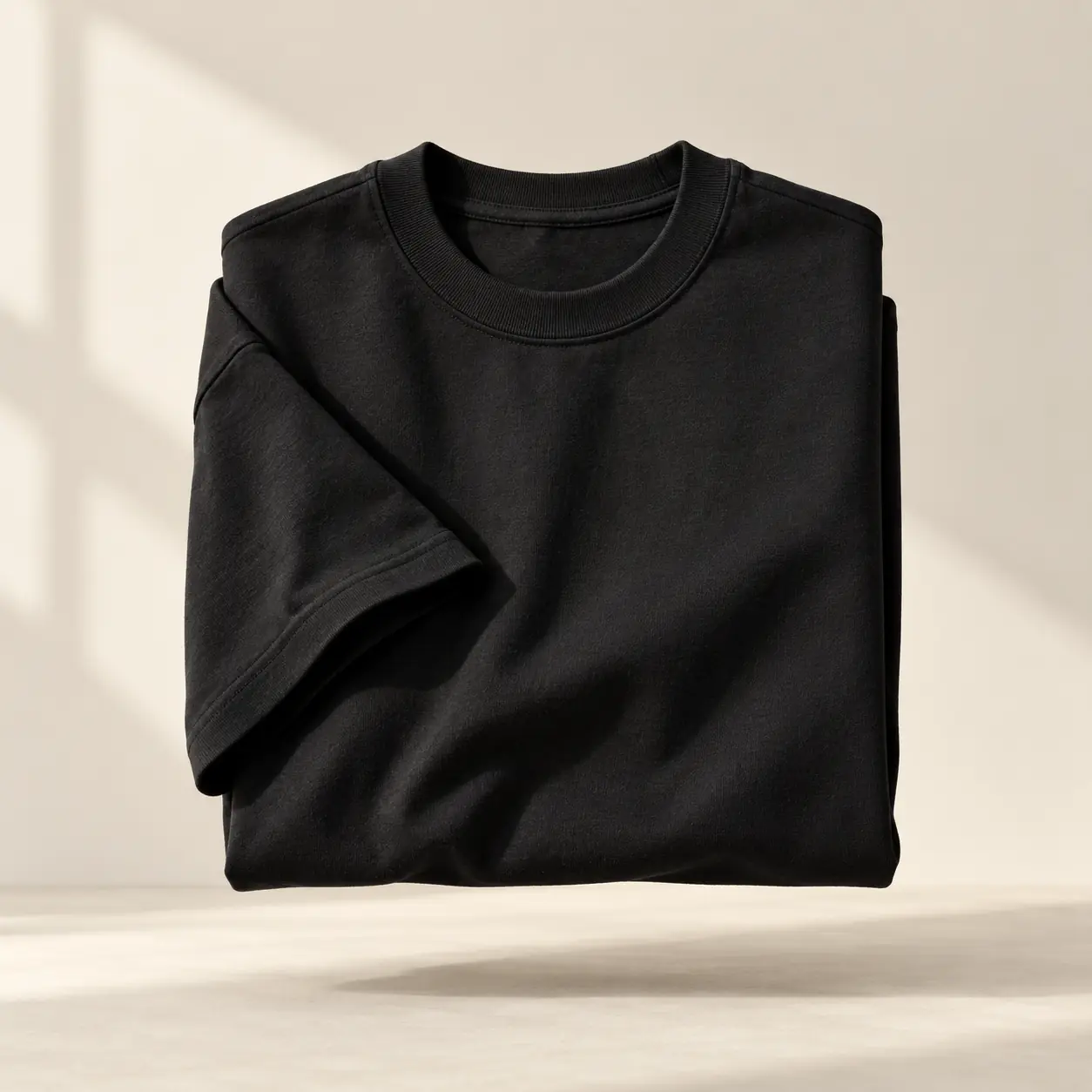

SEO ARTICLE
Joyagoo QC, storage and shipping
A practical Joyagoo guide built around QC, storage and the final packed-shipping calculation.
Read the complete articleSEO ARTICLE
SEO article
Read the buying guide
The official flow describes warehouse QC photos after an item arrives; review them promptly because the stated return/exchange window is five days after QC completion. Items can remain in warehouse storage for 90 days before parcel submission.
Read the buying guide01 · QC02 · HOW TO BUY03 · PRODUCT DETAILS
SEO ARTICLE · FULL ARTICLE
Joyagoo QC, storage and shipping: a practical decision guide
A useful buying guide does not make a shopping process look easier than it is. It shows where a shopper can reduce uncertainty, where the official service controls the next step, and where no website can offer a guarantee. This guide looks at the parts of the Joyagoo flow that can be checked in practice: warehouse QC, the short decision window after QC, warehouse storage, parcel submission and the difference between an estimated shipping figure and a packed-parcel charge.
Start with a decision, not a product promise
People rarely begin with complete information. A saved product link may have a vague title, an image may show a different colour than the selected option, and a listing may not make sizing clear. The useful first question is therefore not “is this definitely good?” It is “what would I need to see before I am comfortable moving this item into a parcel?” That change in question makes the research process practical. Save the link, record the selected variation, note the stated measurements and keep a screenshot of the listing when a specific visual detail matters. A spreadsheet is helpful here because it separates the information available before purchase from the evidence available once an item is physically received by a warehouse.
An independent discovery page should keep that boundary clear. It can help a visitor find a category or compare product directions, but it cannot verify a seller’s stock, inspect an item, collect payment, select a shipping route or decide a customs outcome. The live product record and the official account flow remain the places to confirm current information. That is not a limitation to hide; it is the reason a guide can be honest about what the reader should check next.
QC is the moment when the order becomes specific
Joyagoo describes warehouse QC photos after an item arrives at its warehouse. That matters because an item-specific warehouse record is more useful than a promotional listing image. QC should not be treated as a decorative photo gallery or a signal to approve automatically. It is a decision point. Start by matching the visible item with the option you intended to buy: model, colour, size label, material impression and any visible hardware. Then look for obvious condition questions such as shape, stitching, printing, alignment, missing components or damage that can be seen in the photos.
The right standard is not perfection from a tiny image. It is whether the available evidence is sufficient for your own decision. If a critical area is not visible, use the official service’s available communication route to ask what can be clarified. Keep the question narrow and tied to the item: for example, ask about the size label or a visible detail rather than asking for a general endorsement. Save the result alongside the original listing notes. This makes later decisions easier, especially when several items are being held for one parcel.
The five-day window makes prompt review important
Joyagoo’s published guidance states that a return or exchange request can be made within five days after QC is completed. The important habit is not to memorise a slogan about returns; it is to act promptly when QC is available. A five-day window is short enough that a shopper who checks items only occasionally can lose useful options. Set a reminder when QC is completed, review the photos while the product selection is still fresh in your mind, and confirm the current order-level policy before requesting a return or exchange.
This is also where careful wording helps. The stated window does not mean every request will be accepted in every situation, and a guide should not present it as a blanket guarantee. Eligibility can depend on the current service rules and the order. What a reader can do is use the window well: identify the actual issue, keep the relevant QC images and listing information together, and submit any request through the official process rather than relying on a third-party summary.
Warehouse storage is flexibility, not a reason to lose track
Joyagoo states that items can receive 90 days of free warehouse storage before a parcel is submitted. This can be useful when items arrive on different dates and a shopper wants to decide what should travel together. It does not turn every item into a long-term holding decision. The sensible approach is to record the arrival date, the storage deadline shown in the account, the intended destination and whether the item is waiting for another product. A simple sheet with those columns can prevent both missed deadlines and rushed parcel decisions.
Storage also creates a planning choice. Combining items may reduce the number of separate parcels, but a combined parcel can be larger, heavier or less suitable for a particular shipping route. Separating items may provide more flexibility, but it may also create additional handling and shipping decisions. There is no universal “best” parcel strategy because destination rules, route availability and item mix differ. Treat storage as time to compare options, not as evidence that one choice will always be cheaper or safer.
Estimated shipping and packed shipping are different stages
One of the most common planning mistakes is treating an initial international shipping estimate as a final invoice. Joyagoo explains that the final amount is determined after packing using the actual parcel size and weight. That distinction is important for apparel, footwear, boxes, fragile goods and any order where packaging changes the physical parcel. A preliminary estimate is useful for rough budgeting, but it cannot know the finished dimensions or the final packed weight before the parcel exists.
A more reliable budget has a buffer. Before submission, review the destination, available shipping lines, item restrictions shown in the official flow and the current estimate. After packing, review the final figures rather than assuming they must match the earlier number. The purpose is not to find a magic formula. It is to avoid being surprised by a known part of the process. If a route is unavailable, a charge changes, or the parcel dimensions are different than expected, use the live order information as the decision source.
Destination rules still matter
US and European shoppers often ask for one simple rule for customs, tax or route selection. There is no single rule that covers every country, product type, carrier or inspection. A responsible guide should not promise clearance, a specific delivery date or a particular tax result. Customs rules and carrier restrictions are set outside a discovery site, and they can change. Keep the shipment description truthful, follow the information requested in the official order flow, and use the relevant government or carrier source when a destination-specific rule is important to your decision.
That caution is especially useful for content intended to rank in search. Search visibility is not improved by overpromising. A page is more valuable when it tells the reader exactly which part is known, which part requires a live check, and which part is outside the service’s control. Clear limits also help readers distinguish product research from purchase, warehousing and international shipping.
A repeatable checklist is better than a confident guess
Use the same sequence for every item: save the original listing details; check the specific item when QC arrives; decide within the published window if an issue needs action; record the warehouse timeline; compare parcel options; and review the packed result before treating any shipping charge as final. This sequence is not complicated, but it forces the right evidence to appear at the right time. It replaces an emotional “looks fine” decision with a record a shopper can revisit.
FindSpreadsheet fits at the discovery end of that sequence. Use it to narrow a product direction and reach the relevant live record. Use Joyagoo’s official account and help flow for the decisions attached to an actual order. Keeping those roles separate gives shoppers a clearer path and gives this guide a more useful purpose: it explains how to think through the process without pretending to control it.